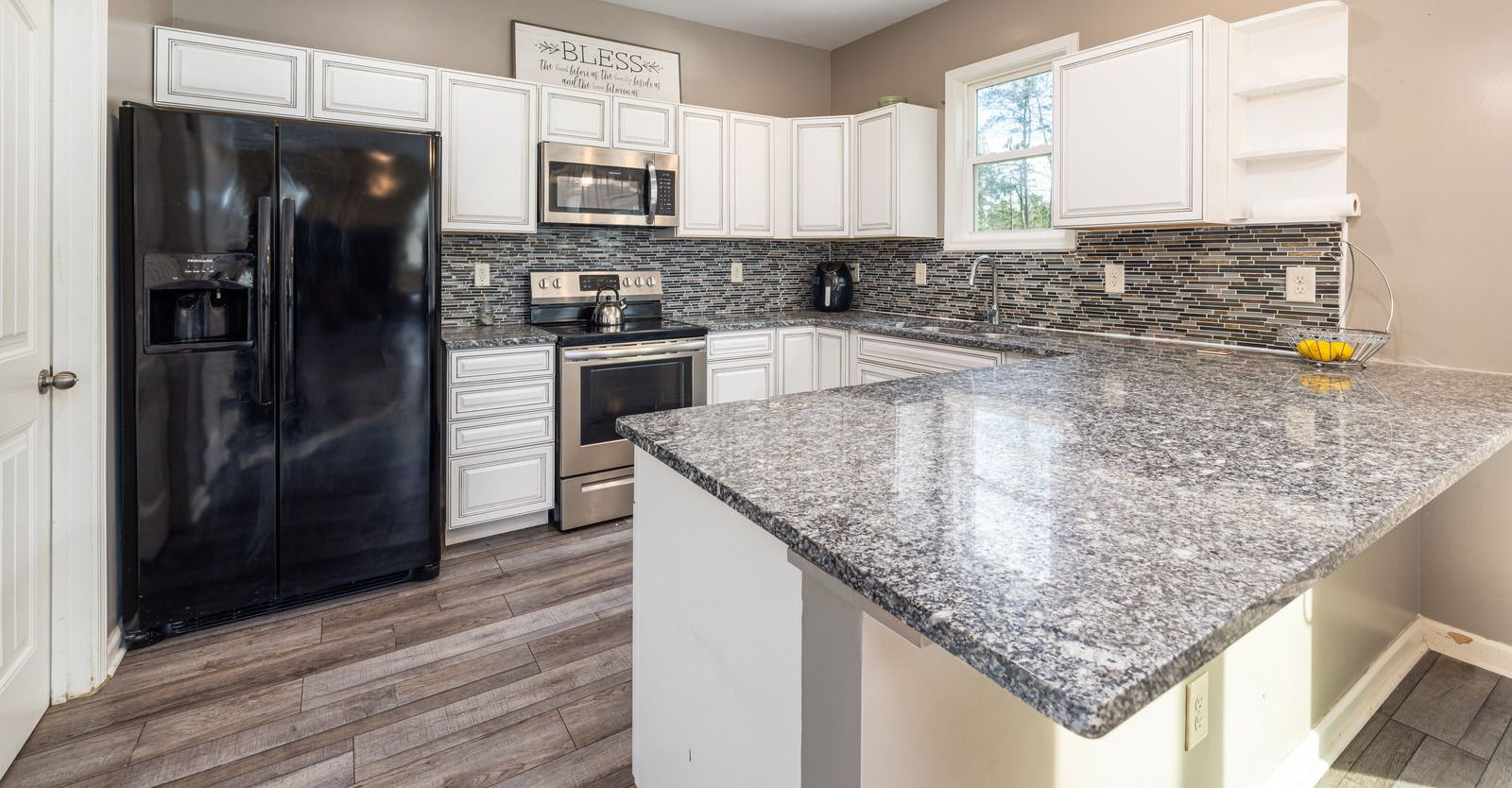
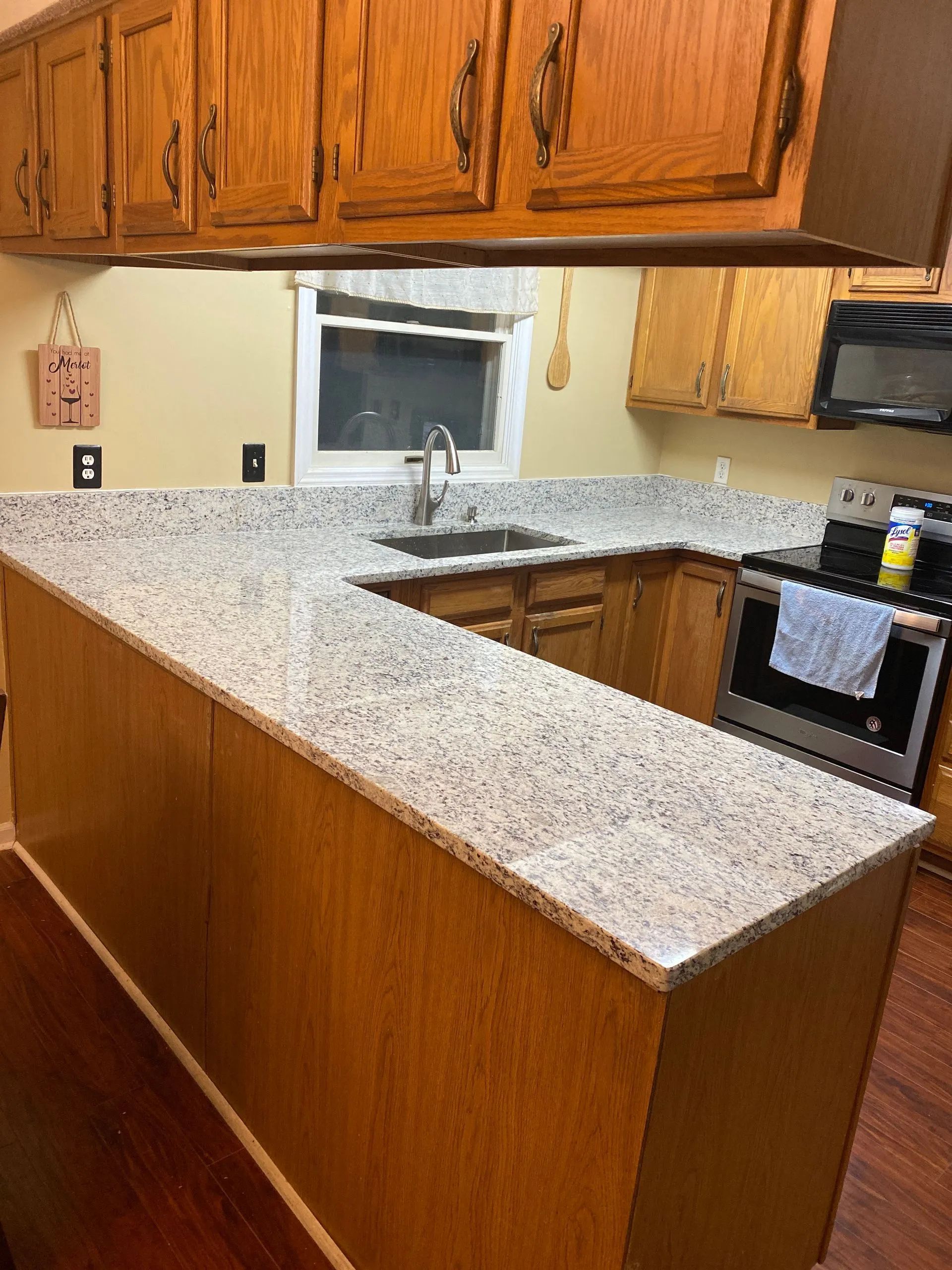
How to Care for Quartz Countertops So They Stay Flawless
QUICK ANSWER: Quartz countertops need only warm water, a mild soap, and a soft cloth for daily cleaning, since the surface is non-porous and never needs sealing. Wipe up spills as they happen, keep hot pans off the surface with a trivet, and skip bleach, abrasive pads, and paint-stripping solvents that can dull the finish. Quartz is roughly 90 percent crushed stone bound with polymer resin, and that resin is sensitive to prolonged direct sunlight, so unshaded south-facing windows and outdoor installs are worth avoiding. Followed consistently, this short list of habits is enough to keep a quartz counter looking like the day it was installed.
A ring of coffee sits on the counter where the mug landed this morning, and by the time you get back from dropping the kids off, it has already dried into a faint shadow. On a porous stone, that shadow might have you reaching for a stone-specific cleaner and wondering whether the sealer is still doing its job. On quartz, it comes off with a damp cloth and a minute of attention, gone before lunch. That gap is a big part of why so many Triangle kitchens have shifted toward quartz over the past decade: the surface handles daily life without asking much back.
Still, asking little is not the same as asking nothing. Quartz is forgiving, not indestructible, and the habits that keep it flawless are different from the ones a natural stone counter needs. You can skip the sealing schedule entirely, but you have to pay closer attention to heat, certain chemicals, and how much direct sun the surface sees. Here is what actually keeps a quartz countertop looking new, section by section, along with what quietly works against it.
Why Quartz Behaves Differently Than Natural Stone
Quartz countertops are engineered, not quarried whole. Manufacturers crush natural quartz crystal, then bind it with polymer resin and pigment under heat and pressure until it forms a dense slab. Crushed quartz typically makes up close to 90 percent of the finished material, with the resin and coloring filling the remainder. That manufacturing process is the reason quartz behaves so differently from granite or marble on your counter.
Because the resin fills every gap between the crushed stone, the finished surface has essentially no open pores. Liquids cannot soak in the way they can with natural stone, which is why quartz resists staining without any sealing step, ever. It also scores around a 7 on the Mohs hardness scale, dense enough to resist everyday scuffs from pots, plates, and utensils sliding across it. The tradeoff is that the resin binding it all together is a plastic, and plastics respond to heat and ultraviolet light differently than solid mineral does. Everything below follows from that one structural fact.
Your Daily Care Routine
The routine that keeps quartz looking flawless is short enough to become automatic within a week or two of moving in.
Wipe As You Go
A soft cloth or sponge with warm water handles most daily messes, including flour and sauce. Avoid hard scrubbing because non-porous quartz will not absorb spills that remain on its surface.
Use A Mild Dish Soap For Anything Greasy
A few drops of mild dish soap on a damp cloth remove cooking grease and fingerprints without leaving buildup. Rinse afterward with clean water to prevent residue from dulling the surface.
Dry The Surface After A Deep Clean
Quartz resists water spotting better than some natural stones, but drying with a microfiber cloth keeps the surface streak-free. It also makes missed residue easier to notice during routine cleaning.
Disinfect Occasionally, Not Constantly
A diluted isopropyl alcohol solution or suitable disinfecting spray can sanitize quartz after handling raw meat. Frequent bleach-based cleaning is unnecessary and may gradually work against the surface finish over time.
Skip The Sealing Step Entirely
Unlike granite, quartz does not need periodic sealing. There is no sealer to reapply or water-beading test to perform. Its engineered structure makes sealing unnecessary and generally unhelpful for maintenance.
What to Keep Off the Surface
Just as important as what you do is what you avoid. A handful of products and habits will not ruin quartz overnight, but repeated exposure adds up.
Bleach And High-pH Cleaners
Undiluted bleach and strong alkaline cleaners can affect quartz pigments and resin, leaving dull or discolored patches. Avoid them on countertops and use mild dish soap or a manufacturer-approved stone-safe cleaner instead.
Abrasive Pads And Powders
Steel wool, scouring powders, and heavy-duty scrub pads can scratch polished quartz, particularly darker surfaces. For stuck-on food, use a soft sponge or non-abrasive pad to protect the finish during cleaning.
Paint Removers And Solvents
Some paint strippers and refinishing products contain solvents such as trichloroethane or methylene chloride that can damage quartz resin permanently. Keep these chemicals away from countertops and choose products specifically approved for quartz surfaces.
Permanent Markers And Strong Dyes
Quartz resists many stains, but permanent ink, certain hair dyes, and some nail products can leave stubborn marks. Clean these spills promptly rather than allowing them to sit and potentially penetrate surface imperfections.
TIP: Keep a small caddy of quartz-safe supplies, dish soap, a soft cloth, and a bottle of diluted isopropyl alcohol, under the sink instead of reaching for whatever multi-surface spray is closest. It takes the guesswork out of daily cleaning and keeps harsher products away from the counter by default.
Handling Spills and Tougher Stains
Quartz resists staining better than almost any other countertop material, but resistant is not the same as immune. The non-porous surface means most spills sit on top rather than soaking in, which buys you time, but a few common kitchen culprits are worth treating quickly rather than letting them dry.
Coffee, red wine, tea, turmeric, and beet juice are the classic offenders, especially on lighter quartz colors where any residue shows more. A damp cloth and mild soap handle these easily if you catch them within a few hours. If something has already dried into a slightly sticky film, a plastic scraper (never metal) held flat against the surface will lift it without scratching, followed by a normal wipe-down.
Cutting directly on quartz is a separate issue from staining. The surface is hard enough that a knife will not gouge it, but the reverse is also true: quartz is harder than most knife steel, so cutting on it dulls your blades faster than a wood or plastic board would. Keep a cutting board in regular use, and the counter will stay mark-free while your knives stay sharp.
Hard water spots are less of a concern with quartz than with some natural stones, since there are no pores for mineral deposits to settle into. If Raleigh's water leaves a faint film after a kettle boils over or a sink splashes onto the counter, it wipes away with the same soap-and-water routine rather than requiring a separate mineral remover.
Sunlight, Windows, and Why Quartz Isn't an Outdoor Material
This is the piece of quartz care that surprises the most homeowners, because it has nothing to do with cleaning products at all. The same polymer resin that makes quartz non-porous is also sensitive to ultraviolet light. UV rays gradually bleach pigmented surfaces, and quartz is no exception. A counter that sits in a bright, unobstructed patch of direct sun for hours at a time, day after day, can fade unevenly or take on a slightly chalky look years before the rest of the kitchen shows any wear.
For most kitchens this is a minor factor. Ordinary daylight through a window, even a bright one, rarely produces enough sustained direct exposure to matter. The risk climbs in sunrooms, kitchens with a large uncovered south- or west-facing window over the sink, and especially in any outdoor kitchen or bar setup where a quartz slab would sit exposed to full sun for years on end. Manufacturers generally do not recommend standard indoor quartz for outdoor installations for exactly this reason, and warranty coverage for sun-related fading is typically limited or excluded outright.
If part of your home does get strong, direct sun on the counter for a large part of the day, a simple curtain, blind, or UV window film during peak afternoon hours will do more to protect the finish than any cleaning product could.
WARNING: Do not install standard quartz on an outdoor kitchen, covered patio bar, or any surface that will see sustained direct sunlight for years. The resin binder will fade and can eventually become brittle under prolonged UV and temperature swings, and most manufacturer warranties do not cover the damage.
Protecting Quartz From Heat
Quartz is often marketed as heat resistant, and compared to laminate or wood, it is. But heat resistant is not the same as heatproof, and the resin content means quartz behaves differently under a hot pan than solid granite does. Setting a pot straight off a burner onto the counter risks two separate problems: scorching, where the surface discolors and does not buff back out, and thermal shock, where the sudden temperature change causes a crack, particularly near a seam or an edge.
A trivet or hot pad solves both problems and costs far less than a repair. Keep one within reach of the stove and near wherever pans tend to land after cooking, since the habit only works if the trivet is easier to grab than the bare counter. The same caution applies to slow cookers, coffee makers with a warming plate, and curling irons in a bathroom with a quartz vanity top, anything that generates sustained heat in one spot rather than a quick pass.
Frequently Asked Questions
Do quartz countertops ever need to be sealed?
No. Quartz is non-porous, with resin filling all the gaps throughout. There are no open pores for sealer to fill properly. Sealing is unnecessary and manufacturers advise against it, since it leaves an uneven film.
What is the best everyday cleaner for quartz countertops?
Warm water and mild dish soap on a soft cloth handle most daily cleaning well. For disinfecting, use diluted isopropyl alcohol or standard disinfectant spray. Avoid bleach, heavy ammonia cleaners, and any abrasive scouring products.
Can I set a hot pan directly on a quartz countertop?
No. Resin can scorch or discolor from sudden concentrated heat and crack from temperature changes, especially near seams. Keep a trivet or hot pad within reach for pots, pans, and anything with a warming element.
Will cutting food directly on quartz damage it?
The counter resists gouging, but the reverse happens: quartz is harder than typical knife steel, so cutting directly dulls blades much faster than a cutting board would. Use a board to protect your knives instead.
Can quartz countertops be installed outdoors or near a sunny window?
Standard quartz is not recommended for sustained outdoor use or direct sunlight daily. The polymer resin is sensitive to ultraviolet light and fades or grows brittle over time. Ordinary indoor daylight is rarely a problem.
How do I remove a dried spill or sticky residue from quartz without scratching it?
Soften the spot with a warm, damp cloth briefly, then lift it with a plastic scraper held flat. Never use metal scrapers or abrasive pads, since both scuff the finish. Follow with soap and water.
Keeping Your Quartz Counter Looking Flawless Long-Term
Quartz asks very little compared to the care natural stone demands, which is exactly why so many Raleigh kitchens have switched to it. The habits that keep it looking new are straightforward enough to become automatic within weeks. No sealing schedule, no guessing about cleaner safety, no specialized products cluttering the cabinet. A soft cloth, warm water, and a trivet are genuinely all most homeowners ever need. The payoff is a countertop that stays flawless while asking almost nothing in return.
Over 6
years serving Raleigh, NC homeowners, The Countertop Guy, LLC
learned that quartz success comes from understanding how the material behaves. The resin sensitivity to heat and sun is not a weakness but a characteristic worth planning for. Homeowners who respect that build protective habits and find their counters looking fresh years after installation. The shine that caught their eye stays bright, the surface resists daily wear, and the carefree maintenance they expected from quartz becomes their reality.